
2026/09/24
Don't Let Old Records or Files Haunt You This Season
Don't Let Old Records or Files Haunt You This Season
Every fall, as the air cools and businesses gear up for the final stretch of the year, there's a familiar sense of urgency: close the books, prep for open enrollment, clear out the filing cabinets. But for many organizations, there's something lurking in the back office that deserves more attention than a seasonal sweep - stacks of old records, outdated employee files, and expired patient paperwork that have been quietly accumulating.
The short answer: unsecured paper documents are an ongoing compliance and identity theft risk, and the solution is scheduled, certified destruction by a professional shredding provider. Here's what you need to know and what to do about it before year-end.
Why Are Unsecured Paper Records a Compliance Risk?
Data breaches and identity theft don't wait for a convenient time. And some of the most common sources of sensitive information exposure aren't sophisticated cyberattacks - they're paper records that weren't properly destroyed.
Think about what's sitting in your files right now: patient intake forms, employee W-2s, explanation of benefits documents, legal case files, client account records. Any one of those, in the wrong hands, can trigger a HIPAA violation, an FTC enforcement action, or a lawsuit.
For healthcare providers, the stakes are especially clear. HIPAA requires covered entities to implement reasonable safeguards to protect patient information and that includes physical records with retention periods. Simply shredding documents in-house with a basic office shredder often falls short of what regulators and courts consider "adequate destruction."
For legal and financial firms, attorney-client privilege and financial privacy regulations carry their own strict documentation standards. And for HR departments heading into open enrollment season, the timing couldn't be more relevant: benefits enrollment generates a significant volume of sensitive employee data. Old enrollment forms, FSA elections, and dependent documentation from prior years need a secure disposal plan, not a recycling bin.
What Types of Documents Should Businesses Be Shredding Right Now?
If your team is doing any kind of year-end file review, here's a practical list of document categories that commonly require secure destruction:
- Healthcare and dental offices: expired patient intake forms, outdated insurance verification paperwork, treatment records outside your required retention window
- HR and benefits administrators: prior-year open enrollment materials, terminated employee files past your retention period, payroll stubs and W-2 copies
- Legal and financial services: closed case files, outdated client agreements, account statements beyond the required retention period
- General business records: old vendor contracts no longer needed, internal memos with employee or customer data, any document with a Social Security number, account number, or signature
When in doubt about retention timelines, your legal counsel or compliance officer can help you determine what's eligible for destruction - but once you know, acting on it promptly is the right move.
How Does BWS Make Secure Document Shredding Simple for Maryland and Surrounding State Businesses?
At Biomedical Waste Services, Inc., secure document shredding has been part of what we do for over 50 years. We serve businesses across Maryland and the Mid-Atlantic region - from hospitals and dental practices to law firms, financial institutions, and school systems.
Whether you need a one-time purge or ongoing scheduled pickups, we offer both on-site and off-site shredding options to fit your workflow and your budget. Every job includes a certificate of destruction, so you have documentation that your materials were handled properly and in compliance with applicable regulations.
And unlike some providers, we don't lock you into long-term contracts or surprise you with hidden fees. You get straightforward, professional service, and the peace of mind that comes with knowing your sensitive documents were handled by an experienced team.
Frequently Asked Questions About Secure Document Shredding
How often should businesses shred documents? It depends on your volume and industry, but most businesses benefit from at least a quarterly shredding schedule. Many high-volume industries like healthcare and finance shred monthly or on-demand. At a minimum, a year-end purge before the new year is a smart baseline.
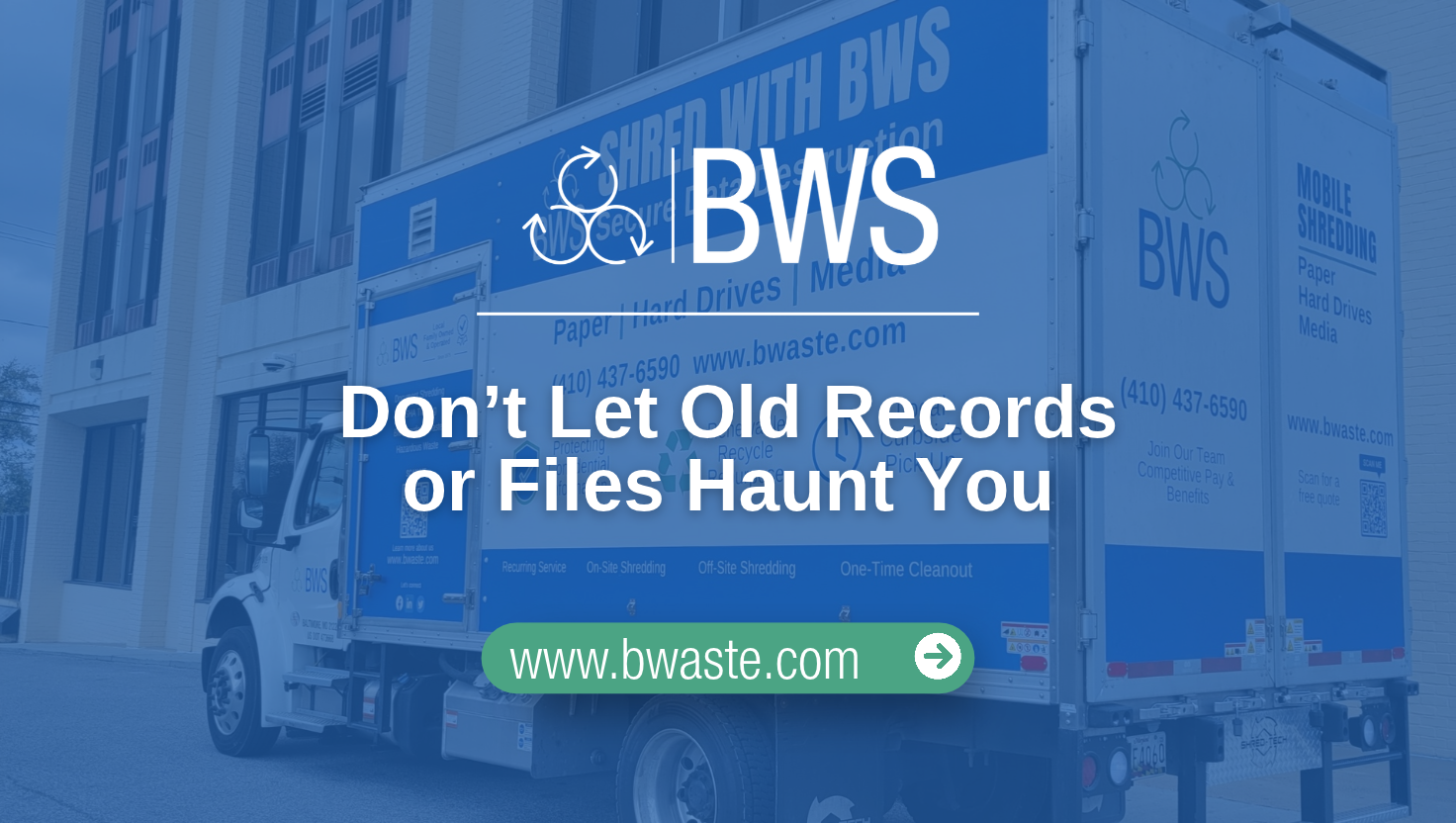
What is the difference between on-site and off-site shredding? On-site (or mobile) shredding means a truck comes to your location and destroys documents on the spot while you watch it happen. Off-site shredding means documents are transported in locked, tamper-evident containers to a secure facility for destruction. Both methods are compliant and result in a certificate of destruction; the right choice depends on your volume, schedule flexibility, and preference for witnessing the process.
What regulations require businesses to securely destroy documents? Several federal and state laws govern document destruction, depending on your industry. Key ones include HIPAA (healthcare), FACTA and the FTC's Disposal Rule (consumer financial data), GLBA (financial services), and various state privacy statutes. Most require that sensitive information be rendered unreadable and unrecoverable - not simply discarded.
How do I know which documents are safe to shred? Generally, once a document's legally required retention period has passed, it's eligible for destruction. Retention schedules vary by document type and industry - for example, medical records may have a different retention period than tax records. Your legal or compliance team can help you set a formal retention schedule, and BWS can work within whatever framework you have in place.
Does BWS provide a certificate of destruction? Yes. Every shredding job includes a certificate of destruction, which documents the date, method, and scope of the destruction. This is an important compliance record - it's your proof that materials were handled correctly if you're ever audited or questioned.
How to Schedule Secure Document Shredding
If you've been meaning to schedule a shredding service before year-end, this is a good time to get it on the calendar. BWS serves businesses throughout the Baltimore area and across Maryland, Delaware, D.C., Virginia, Pennsylvania and West Virginia - with no contracts or hidden fees, and a team that's been in this business for five decades.
Give us a call at (410) 437-6590 or Request a Quote to get started. We'll help you figure out the right solution for your volume, schedule, and industry requirements.


Ready to get started?
Request A QuoteOur Dedication to Providing the Highest Quality Regulated Waste Services
is Shown in What Our Clients Say About Our Work
We provide an outstanding value and service to our regulated waste customers and pride ourselves over the last 50 years on our 100% customer satisfaction with 99% customer retention ratio.